
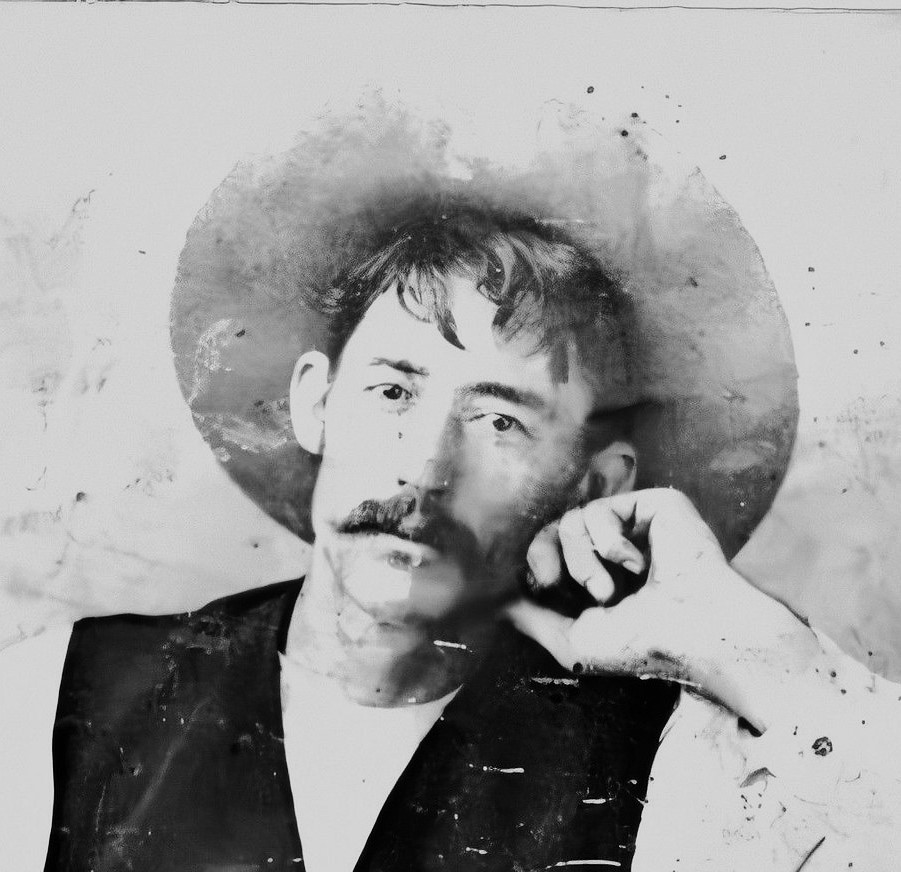
For years, Alto schoolchildren have learned in the third grade that Alto was founded as Branchtown in 1849 by Robert Mitchell and renamed Alto in 1852, but Alto was not really a town, not really incorporated until 1909.
Once the incorporation took place, it was time to elect city officers and establish the city government. According to the July 9 1909 Heralld:
The election for city officers for the newly incorporated town of Alto was held Tuesday, the following being chosen: Wm. Blanton, Mayor; J G Moore, Marshal; M J Hogan, C C Francis, J W King, M C Parrish and J W Crawford, Aldermen.
(Incidentally, City Marshal Moore was a very interesting character , being not just City Marshal but also commercial photographer and keeper of the renowned Moore Hotel. He deserves a column of his own someday)
You can’t have a city without having city laws, so by the first of August, a list of City Ordnances took up more than a full page of small print. Automobiles were in short supply in 1909, so it is not surprising that many of the laws had to do with horses. For instance:
You must not hitch any animal to a shade tree.
You must not ride or drive any animal faster than a slow lope
If you ride a wild horse or mule on the streets of said Town for the purpose of breaking the same, you will be fined. (In other words, get out of town to break your colt)
The other chief method of transportation – the train – also came in for some control measures.
If you don’t work for the railroad you cannot jump on, hang on or cling to any locomotive or railroad car.
If a train blocks a street or road for more than five minutes, the conductor should uncouple or break his train so that people can pass.
Disturbing the peace was cause for a number of laws: You could be fined for obstructing the sidewalk after the Marshal told you to move, or for exploding fireworks within 200 yards of a business, or for fastening a tin can to a dog’s tail, or for throwing “high life” (whatever that is?) on an animal that is tied.
Also Article 23 reads: If any male person shall hereafter be found in the company of any female vagrant or prostitute, showing her attention as such within the corporate limits of the town of Alto he shall be deemed guilty of a misdemeanor……
There are quite a number of laws having to do with dogs in heat, and with bringing sick people or infected items into town, or not reporting contagious sickness to the doctor.
But it might be helpful to know that if you are convicted, you can work off your fine at 50 cents a day and you cannot be required to work more than a year even if that doesn’t pay it all.
Originally published in the March 26, 2014 edition of the Cherokeean